028. akta, összesen 446
Kárr the Old
Más néven: Kárr inn gamli, Kar the Old
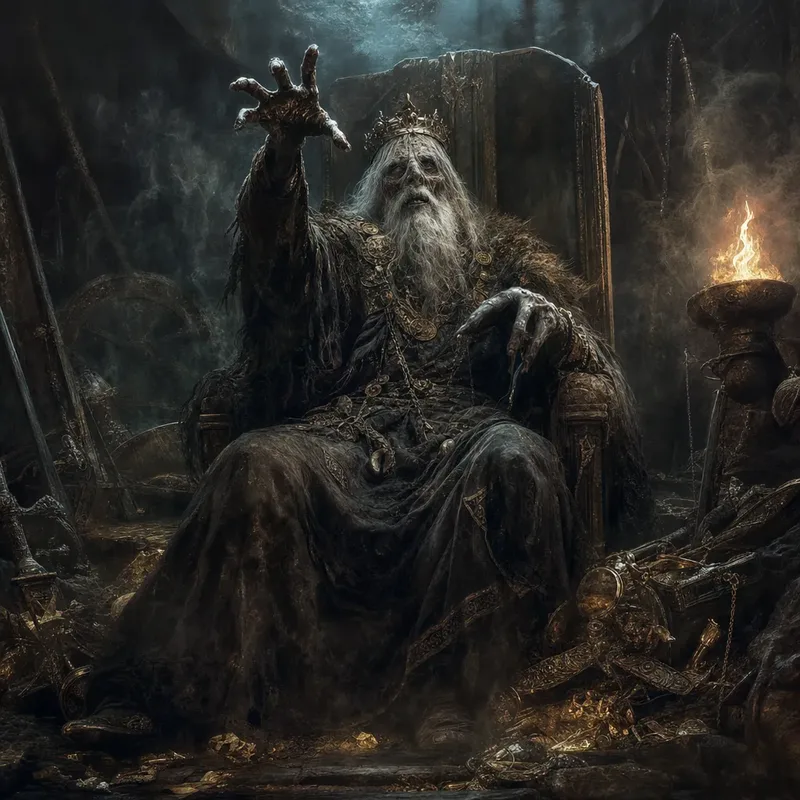
Kárr the Old is the barrow-dweller the young Grettir robs during his first voyage to Norway. He is a textbook haugbúi: he does not roam, but when the mound is broken open he grapples with the intruder until Grettir throws him and strikes off his head. The scene set the pattern for the 'hero versus tomb guardian' fight that fantasy fiction and games still reuse.123
Első említés
1300
Grettis saga, chapter 18; the saga reached its present form in the 14th centuryEredet
Norse (Icelandic saga)
Norvégia, IzlandMi okozza
Egyéb
A dead man who goes on occupying his barrow and defending his grave goods.Hogyan válik valaki azzá
Buried in a mound with his wealth, he persists there as its guardian.
Hogyan mozog
Alig mozog
Stays in his mound and seizes Grettir when the hero breaks in for the treasure.Intelligencia
Némi intelligencia
Gyenge pontok
- beheading with the sword Jökulsnautr
Mikor jelent meg először?
Ókor
Középkor
1500-tól 1899-ig
1900-tól 1967-ig
1968-tól 1999-ig
2000-től 2009-ig
2010-től napjainkig
 1300
1300Grettis saga, chapter 18; the saga reached its present form in the 14th century
terepjegyzetek
Mit mondanak a források
Források
- Grettis saga - Wikipedia
- Draugr - Wikipedia
- Viking zombies and how to kill them - University of Liverpool News
Az oldal minden ténye ezekből a forrásokból származik, saját szavainkkal leírva. Hibát találtál? Írj nekünk a hello@zombiewiki.app címre.
 Draugr
 Glámr
Glámr Asvith
 Deacon of Myrká
 Gjenganger
 Haugbúi
 Vetala
 Revenant (medieval England)
 Upiór
Upiór Berwick revenant
 Buckinghamshire revenant
 Byland Abbey revenants